Website Security Matters
It is essential to have strong website security, regardless of the size of your website. Without it, you risk losing your investment and exposing your stored emails to hackers. With the new GDPR regulations that came into effect on May 25th, 2018, protecting customer data has become more critical than ever. Weak website security can lead to various issues such as a decrease in your SEO score due to altered titles and meta descriptions. You may lose access to login panels, unauthorized users may take control of your website, and your site could be filled with spam comments. To avoid these problems, CK Website Design offers a comprehensive High-End Security package.
Kamil Kuś · 2018-03-25T07:56:09 · 2 minute read
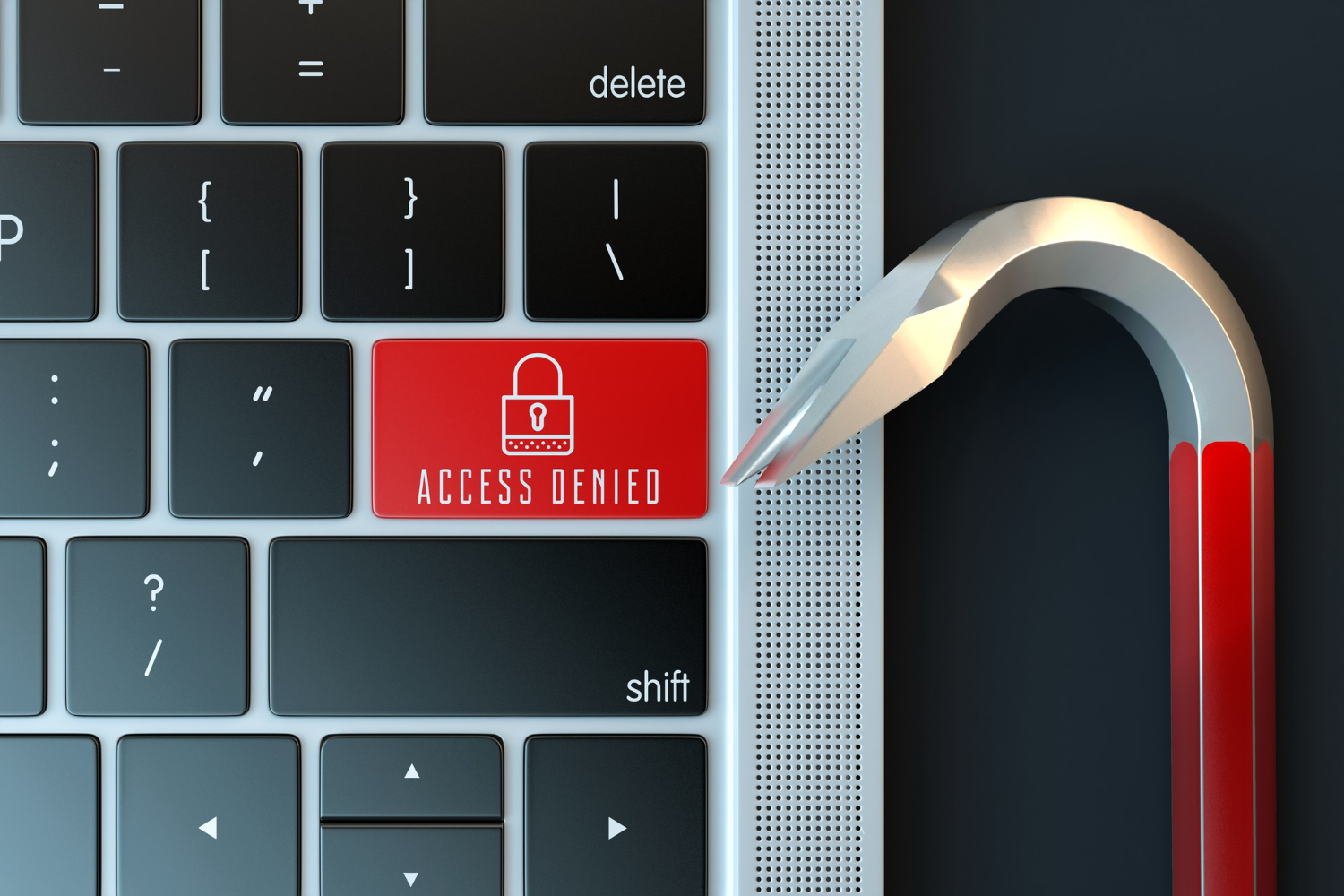
It doesn’t matter anymore if you have a big or small website, as a website owner, you need to make sure that you have website security and that it is well set-up. By ignoring website security, you are putting the money you have invested in danger, leading to the possibility that all the emails stored on your server might get hacked.
New GDPR Regulations are kicking in from May 25th, 2018, aimed at website and e-commerce owners storing emails or any other data that belongs to their customers, so make sure to protect & secure your website.
We have created a detailed breakdown with a short description of our High-End Security package, which is available at CK Website Design.
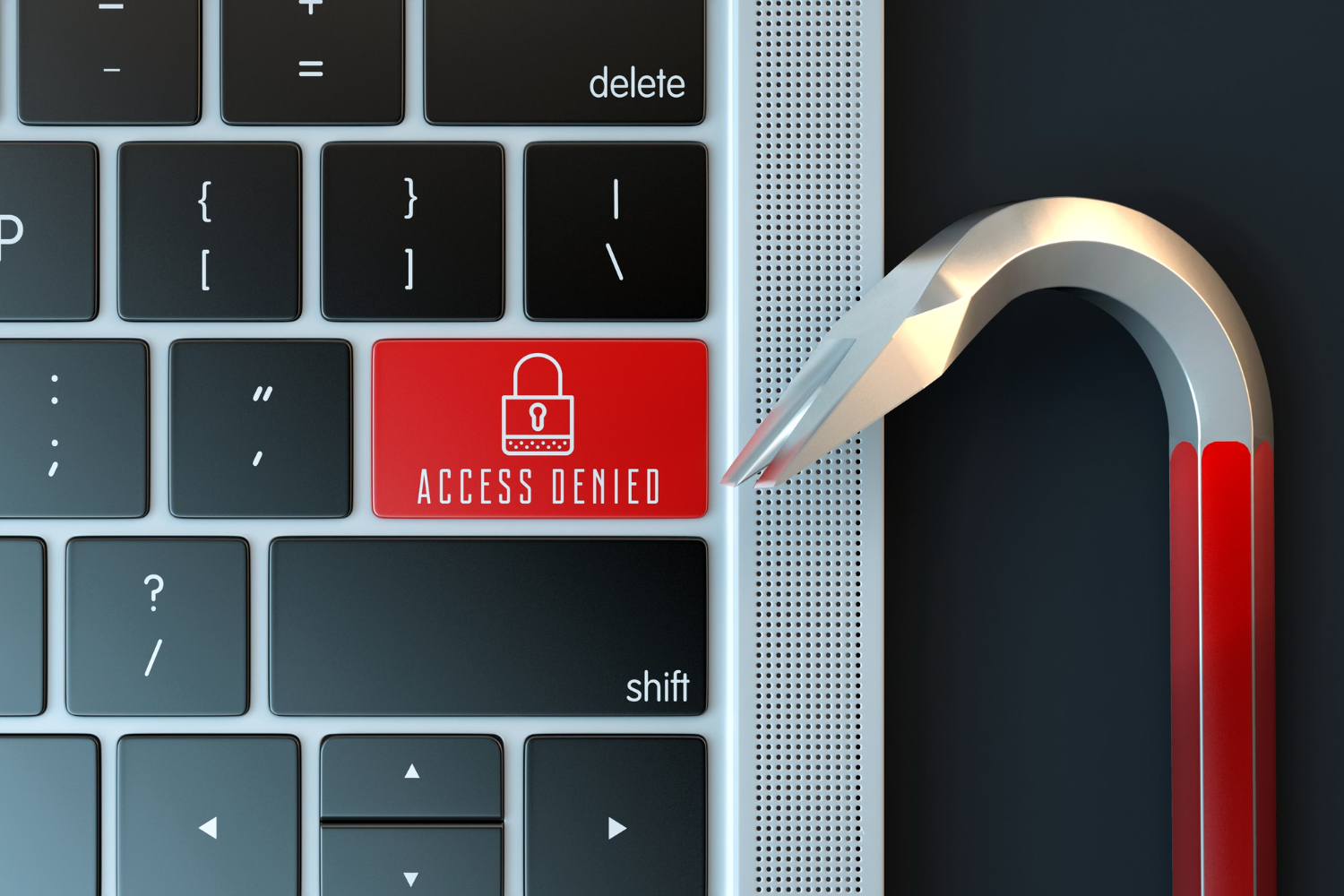
1. WHAT CAN HAPPEN IF THE WEBSITE SECURITY IS NOT CONFIGURED?
There are many possibilities of what can happen if your website security is not well configured. We have listed the most common issues we have come across:
– lose your SEO score (titles & meta descriptions are changed to Chinese)
– login panels are not accessible anymore
– undeletable users have access to the back end of your website
– undeletable spam comments on your pages and posts
STOP putting your business and your users in danger. Call now for a FREE Quote, or email our staff.
2. HOW CAN WE SECURE YOUR WEBSITE?
We maintain various websites, from minor to high-traffic and complex eCommerce websites.
Thanks to the in-depth knowledge we have gathered over the years, we have created the Best Security Offer currently available on the Irish market.
a. Block preview the source code,
b. Block right-click,
c. Copyright block,
d. Inspect element block,
e. Download image block,
f. Hide all directories of your website,
g. Hide login panel,
h. Block IP,
i. Block user by hosting,
j. Weekly file backup,
k. Weekly database backup
Frequently asked questions
What are the first website security checks for a small business?
Keep the content management system, themes, plugins, server software and devices updated, use strong unique credentials with multi-factor authentication where available, and remove unused accounts and extensions. Maintain tested backups, HTTPS and monitoring so recovery does not depend on discovering a problem after an attack.
Can an SSL certificate make a website secure?
HTTPS protects data exchanged between a visitor and the website, but an SSL certificate is only one security control. It does not prevent vulnerable plugins, stolen passwords, malware or poor access management, so the site still needs updates, least-privilege accounts, backups and monitoring.
What should I do if a business website is hacked?
Take a calm, documented response: restrict access where safe, preserve useful evidence, contact the hosting or security provider, rotate compromised credentials and restore only from a trusted backup. Check affected accounts and data-protection obligations, and fix the vulnerability before returning the site to normal operation.
How often should a website security plan be reviewed?
Review it whenever the site, staff access, integrations or hosting changes, and schedule routine checks for updates, backups, accounts and monitoring. Test that backups can actually restore the website; an untested backup is not reliable evidence of recoverability.